
INSIGHTS
Planning a custom app is a significant step toward streamlining operations, enhancing the user experience, or launching a new product. But without a clear budget, that excitement can turn into unexpected costs and delays. In this guide, we’ll break down what impacts pricing, how to plan effectively, and what to ask when choosing a custom app development partner, so you can build confidently without surprises.
What Is a Custom App and What Can It Do?
A custom app is a software application built specifically for your business, users, or workflows. Unlike off-the-shelf solutions, it’s tailored to match your goals, processes, and brand. Custom apps can automate tasks, connect internal systems, improve customer engagement, or deliver entirely new digital experiences. Whether you’re creating an internal tool or a public-facing app, customization gives you full control over functionality, performance, and growth.
What Is the Average Cost of Building a Custom App?
Custom app development can range from $50,000 to over $500,000, depending on the complexity, number of integrations, platform requirements, and ongoing support needs. A basic app with standard features may fall on the lower end, while enterprise-level solutions, advanced UX, or secure integrations for healthcare or finance increase costs. Understanding your specific needs will give you a much more accurate budget forecast.
What Drives the Cost of Custom App Development?
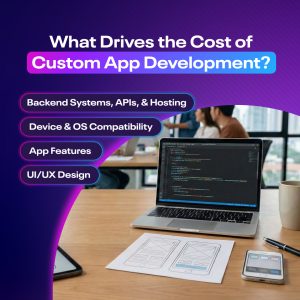
Custom app development is not a one-size-fits-all process. The cost depends on various factors, including the complexity of the app, the platforms it needs to support, the type of user experience you want to deliver, and the infrastructure required to power it behind the scenes. Each decision along the way can impact your budget, so it’s important to understand what drives those costs early. This gives you better control over your investment and helps reduce unexpected changes or delays during the development process.
 App Features and Functional Requirements
The more features your app includes, the more development time and testing will be required. Basic apps may only need a login screen and simple content display, while more advanced apps may include user accounts, real-time data syncing, push notifications, in-app purchases, GPS functionality, or complex user roles. Each of these adds to the time and resources required to build and test your app. Prioritizing core features for a minimum viable product (MVP) can help you launch faster and more affordably, while leaving room for enhancements in later phases.
Platform, Device, and OS Compatibility
Supporting multiple platforms, such as iOS, Android, and web, increases both the scope and cost of development. In many cases, separate codebases are needed, especially for native apps. You’ll also need to ensure compatibility with different screen sizes, device types, and operating systems, which requires extensive testing. Your decision should be based on where your users are, how they interact with your product, and what performance level you expect.
UI/UX Design and Branding
Strong visual design and intuitive user experience are essential for customer satisfaction and long-term success. If your app needs to align with existing brand guidelines or deliver a high-end user interface, expect a larger portion of your budget to go toward design. This includes wireframes, user flows, visual elements, motion design, and prototyping. An experienced design team will test and refine the experience based on user behavior and feedback. Investing in great design pays off by reducing confusion, lowering abandonment rates, and encouraging user loyalty over time.
Backend Systems, APIs, and Hosting
Much of your app’s functionality depends on a solid and secure backend. Whether you need user authentication, cloud storage, admin dashboards, or integrations with third-party tools, all of these features reside on the backend and must be carefully developed. Building APIs, managing databases, and ensuring fast, secure data transmission add both complexity and cost.
Hosting is another important consideration, especially if your app handles sensitive data or needs to scale quickly. Choosing reliable, scalable hosting with strong security protocols will help you avoid outages, protect user data, and ensure smooth performance.
Budget Categories You Should Always Include
A well-structured budget does more than estimate your total cost. It ensures you’ve accounted for every stage of the development process, including early planning to post-launch updates. Many businesses focus solely on development costs, but overlooking critical categories like compliance, deployment, and ongoing maintenance can lead to costly surprises later. By budgeting thoughtfully across each category below, you can avoid delays, improve quality, and ensure long-term success.
Discovery, Planning, and Research
Before a single line of code is written, your team should go through a discovery phase. This involves identifying business goals, defining user personas, researching competitors, mapping user flows, and outlining the technical architecture. This upfront planning ensures the development process starts with clarity and reduces costly rework later. Budgeting for strategy, workshops, and stakeholder alignment at this stage lays a strong foundation for the rest of the project.
Development and Quality Assurance
Most of your budget will be allocated toward the development and QA phase of your project. Development costs include both frontend and backend programming, third-party integrations, and any custom tools or dashboards.
Quality assurance is equally important, as your app must be thoroughly tested across different devices, operating systems, and use cases. Bugs and glitches can quickly erode user trust, so plan to dedicate time and resources to both manual and automated testing before launch.
Compliance, Security, and Legal Considerations
Depending on your industry, there may be legal and regulatory standards your app must meet. If your app handles sensitive information, such as health records, financial data, or location tracking, compliance becomes even more critical. You may need encryption protocols, GDPR compliance, HIPAA standards, terms of service, or privacy policies. It’s important to work with an Orlando custom app development agency that understands these requirements and includes them in both design and development.
Deployment and App Store Launch Fees
Launching your app isn’t as simple as flipping a switch. Both Apple and Google require your app to meet specific guidelines, pass reviews, and pay annual developer fees. If you’re deploying on enterprise platforms or within a private environment, additional tools or licenses may be needed. You’ll also want to account for developer time to prepare the app store listings, assets, and metadata needed for a successful launch.
Ongoing Support and Maintenance
After launch, your app will require regular updates, bug fixes, and security patches to ensure its ongoing stability and performance. Mobile operating systems are frequently updated, and staying compatible is crucial. You may also receive user feedback that leads to new feature requests or usability improvements.
How to Avoid Budget Surprises
Unexpected costs can derail even the most promising app projects. Many businesses go into development with only a general idea of what they need and how much it might cost. The best way to protect your budget is to take a proactive and informed approach. That includes choosing the right development partner, structuring your project in phases, and accounting for all the costs that come before, during, and after launch. With the right planning, your app can stay on track, both financially and strategically.
Choose a Transparent, Experienced Development Partner
Working with the right Orlando custom app development agency can make or break your project’s success. An experienced local partner brings both technical expertise and a clear understanding of your market. Look for a team that is transparent about pricing, timelines, and scope. They should provide detailed proposals, communicate openly about what’s included, and help you anticipate potential challenges. A strong agency will guide you through each stage of the project with clarity, ensuring there are no surprises and that your investment delivers long-term value.
Use a Phased or MVP Approach
Trying to build every feature at once is one of the fastest ways to blow your budget. A smarter strategy is to start with a minimum viable product (MVP), a simplified version of your app that includes only the core features needed for launch. This allows you to test, validate, and gather user feedback before investing in additional functionality. A phased approach not only keeps your initial costs manageable but also gives your team flexibility to improve and adapt the product based on real user behavior.
Identify Hidden Costs Early
Some costs aren’t always obvious when budgeting for an app. These can include fees for third-party software or APIs, additional design rounds, platform-specific compliance needs, or unexpected revisions after stakeholder reviews. Discuss these possibilities with your development team upfront. A comprehensive discovery process should reveal any technical or logistical complexities that may require additional time or budget, and planning for these early on reduces the risk of unexpected expenses later on.
Plan for Post-Launch Costs
Your app’s launch isn’t the finish line—it’s the beginning of a new phase. Updates, bug fixes, customer support, server hosting, and security patches all require time and resources. Marketing and user acquisition costs may also come into play. Make sure your budget includes a post-launch plan that covers both technical upkeep and strategic growth. Setting aside a monthly or quarterly maintenance budget ensures your app remains stable, secure, and competitive as user expectations evolve.
What Affects Costs After Launch?
Launching your app is only the beginning. Post-launch costs can vary depending on how well your app performs, how frequently it requires updates, and how users interact with it. Planning for ongoing development, monitoring, and support ensures your app continues to deliver value. Understanding these ongoing needs helps you set a more realistic, long-term budget.
Ongoing App Updates and Improvements
Technology and user expectations evolve quickly. To stay competitive, you’ll likely need to update your app regularly with new features, design improvements, and compatibility fixes. These updates keep your app functioning smoothly across devices and platforms, and also provide opportunities to respond to user feedback or shifting business goals. Regular improvements are a key part of long-term app success.
Analytics, Performance Monitoring, and User Feedback
Tracking how your app performs is essential for making informed decisions. Ongoing costs may include maintaining analytics dashboards, monitoring uptime and loading speeds, and analyzing usage patterns. These insights help you fix bugs, improve user experience, and guide future development. Staying on top of performance also helps identify what’s working and where improvements are needed.
Questions to Ask Your Developer About Budget
A successful app development project starts with clear communication. Asking the right questions early helps avoid misaligned expectations, surprise costs, and timeline delays. Whether you’re working with a freelancer or an Orlando app development agency, these questions ensure you’re on the same page about scope, payment structure, and how changes will be managed throughout the project lifecycle.
What’s Included in Your Proposal or Estimate?
Before signing anything, review exactly what the estimate covers. Does it include discovery, design, development, testing, and post-launch support? Are app store submission fees or third-party services part of the quote? Ask for a detailed breakdown so you can understand how the budget is allocated and avoid being caught off guard by unlisted or assumed expenses later on.
How Do You Handle Change Requests?
App development often involves adjustments along the way. Be sure to ask how your developer handles scope changes or feature additions. Will they charge hourly, submit a change order, or adjust the overall budget? Having a process in place for managing these requests helps you control costs while still allowing flexibility as your project evolves.
What Are Your Payment Terms and Milestones?
Clarify when payments are due and how they’re tied to project progress. Many developers work on milestone-based payment schedules, with portions due at the end of each phase, such as planning, design, or development. Knowing these terms upfront helps you manage your own cash flow and ensures transparency throughout the project.
Schedule a Consultation With an Orlando App Development Agency
Custom app development doesn’t have to come with budget surprises or confusion. The right partner will walk you through every step, from planning to launch, with transparency and expertise. At Brandcoders, we’re an experienced Orlando app development agency that helps businesses build scalable, high-performance solutions tailored to their goals. If you’re ready to bring your idea to life with clarity and confidence, schedule a consultation today to get started.







Talk to a sales agent today to jump start your project.
Call (407) 992-8877