
INSIGHTS
Social media continues to evolve, but for Orlando businesses, it remains a powerful tool for visibility, engagement, and long-term growth. With new platform features, changing algorithms, and rising expectations from local audiences, having a clear, adaptive social media strategy is more important than ever. Whether you’re running paid social ads or fine-tuning your content calendar, the right approach can position your business for real impact in 2026.
Why Social Media Still Drives Growth in 2026
Despite changes in algorithms and consumer behavior, social media continues to deliver measurable growth for Orlando businesses. From increasing brand awareness to driving website traffic and capturing leads, the ROI is clear. New tools for targeting, content personalization, and community building make it one of the most powerful ways to reach and retain local customers in a crowded digital space.
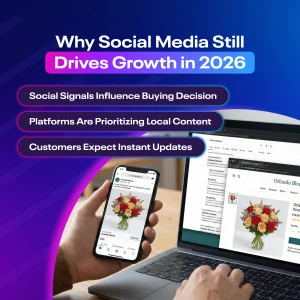 Customers Expect Instant Engagement and Updates
Today’s customers use social media as their go-to source for updates, customer service, and real-time brand interactions. A strong presence on platforms like Instagram, Facebook, and TikTok gives your business the opportunity to respond quickly, stay relevant, and build trust by being consistently accessible.
Platforms Are Prioritizing Local and Personalized Content
Algorithms increasingly reward content that feels local, human, and specific. For small businesses in Orlando, this means highlighting neighborhood connections, showcasing your team, and tailoring messages to your community. Local social media marketing is no longer optional; it’s a differentiator that helps you stand out.
Your Competitors Are Investing More in Social Strategy
More businesses are treating social media as a serious marketing channel, not just a place to post occasionally. From dedicated content planning to strategic ad spend, your competitors are showing up, and if you’re not doing the same, you risk falling behind in visibility and customer loyalty.
Visibility on Social Supports SEO and Website Traffic
Social signals like shares, saves, and click-throughs contribute to your brand’s digital presence and can boost your search engine rankings. An effective social media marketing plan works in tandem with SEO, driving more qualified traffic to your website and keeping your brand top of mind.
Social Signals Influence Buying Decisions
People often check a business’s social profile before making a purchase. A well-maintained profile with active engagement, authentic content, and strong reviews can build confidence and move prospects closer to conversion, especially for service-based and small businesses in competitive markets like Orlando.
It’s One of the Few Places You Control the Brand Conversation
Unlike reviews or news coverage, social media gives you a direct line to your audience. You decide the tone, visuals, and messaging. A thoughtful Instagram strategy or LinkedIn content plan allows you to shape perception, share your value, and create meaningful relationships over time.
What Makes a Strategy Work in Today’s Landscape
Success on social media in 2026 isn’t just about posting more—it’s about being intentional. With changing algorithms, evolving user behavior, and increased competition, the businesses seeing real results are those that approach social strategically. That means setting goals, using data, and aligning content with broader marketing and business objectives.
Setting SMART Goals That Match Business Objectives
A strong social strategy starts with clear goals. Using the SMART framework (specific, measurable, achievable, relevant, and time-bound) helps ensure your social media efforts support actual business outcomes. Whether you’re aiming to boost brand awareness, generate leads, or increase sales, your goals should tie directly to growth.
Understanding Platform Strengths and Audience Behavior
Every platform serves a different purpose and audience. TikTok favors short, trending videos, while LinkedIn supports professional thought leadership. To succeed, you need to understand where your audience spends time and how they interact with content. Matching platform strengths to your content strategy improves relevance and engagement.
Using Data to Refine Messaging and Format
Analytics tell you more than just likes and views. By tracking engagement, retention, and conversion metrics, you can learn what messages resonate, which formats perform best, and where your audience drops off. Use this insight to continually fine-tune your content mix and messaging.
Prioritizing Value Over Virality
Chasing trends might earn views, but it doesn’t always drive business. Focus on creating content that adds value to your audience’s experience, whether that’s educational, inspiring, or entertaining. The best-performing social strategies are built around consistency, authenticity, and relevance to your customers’ needs.
Testing, Learning, and Iterating on Content
Success takes experimentation. Run A/B tests on headlines, visuals, or formats. Try different post timings or ad creatives. Social media in 2026 is dynamic, and what works today might not work tomorrow. Continuous testing helps you stay ahead of shifts and unlock higher performance.
Aligning Social Content With Funnel Stage and Intent
Not all social content serves the same purpose. Some posts should attract new followers, while others should educate, convert, or retain existing customers. Tailor your content to meet users where they are in their journey, so you’re guiding them toward a clear next step.
Where Orlando Audiences Are Spending Time in 2026
To build an effective social media strategy, Orlando businesses need to show up where their audience already is. In 2026, users are spreading their attention across a mix of platforms, each serving a different purpose. Choosing the right channels helps you connect more naturally, drive engagement, and make better use of your content investment.
Instagram and TikTok for Visual Storytelling and Culture
Orlando brands are finding success on Instagram and TikTok by leaning into visually driven content. These platforms thrive on authenticity, local relevance, and cultural awareness. Use short-form video, behind-the-scenes clips, and visual storytelling to build community, showcase your personality, and reach younger or mobile-first audiences.
LinkedIn for B2B Thought Leadership and Lead Gen
For professional audiences, LinkedIn remains the top platform for B2B engagement. Orlando service providers and enterprise companies can share insights, company news, and thought leadership content to drive brand authority and lead generation. Consistency and value-driven posts are key to building trust and visibility in competitive industries.
Threads and X (Formerly Twitter) for Timely Engagement and Conversation
If your brand thrives on quick updates, industry news, or live commentary, Threads and X (formerly Twitter) offer a real-time connection. Use these platforms for timely engagement, participating in relevant conversations, and responding quickly to questions or events. They are especially effective for tech, events, media, and community-focused businesses.
Facebook for Community, Reviews, and Events
Facebook still matters in 2026, especially for local visibility and relationship-building. Orlando businesses use it to manage reviews, promote in-person events, and share updates with established audiences. Community groups and location-based recommendations also help drive discovery and trust for small and mid-sized businesses.
YouTube and Reels for Long-Form and Short-Form Video
Video continues to dominate across all social platforms. YouTube supports evergreen, long-form content like tutorials, testimonials, or brand stories. Instagram Reels and TikTok fill the short-form space. Together, they give Orlando brands a powerful way to capture attention and educate or entertain across the funnel.
How to Build a High-Performing Social Content Plan
Content is the fuel that powers your strategy. A successful plan starts with a clear framework, built around your brand, audience, and business goals. It should allow for structure without sacrificing creativity. In 2026, the best-performing plans balance value, consistency, and adaptability across every channel.
Create Content Pillars Based on Brand, Value, and Offerings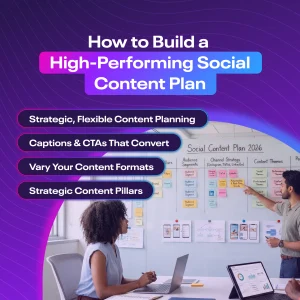
Content pillars are the foundation of your plan. Identify 3 to 5 core themes based on what your business offers, what your audience cares about, and how you want to be perceived. These pillars guide content creation and help keep messaging focused across different formats and platforms.
Balance Educational, Promotional, and Entertaining Content
Avoid leaning too hard into promotions. A healthy mix of content types ensures you’re delivering value while still supporting sales. Teach something useful, spotlight customer wins, answer common questions, and show the people behind the brand. A balanced content mix keeps your audience engaged and coming back.
Plan Content Calendars With Purpose and Flexibility
A content calendar helps you stay consistent and intentional. Plan ahead to support campaigns, product launches, or seasonal moments. Leave room for timely content so you can react to trends or updates as they happen. Use scheduling tools to stay organized without sacrificing authenticity.
Repurpose Content Across Channels Without Losing Focus
You don’t need to start from scratch on every platform. Take a long-form video and pull clips for Reels, turn testimonials into carousels, or rework blog content into educational posts. Repurposing saves time and reinforces key messages, but always adapt the format and tone to match the platform.
Use Captions and CTAs That Inspire Action
Strong captions do more than describe—they guide your audience toward what to do next. Ask questions, invite conversation, or direct users to your website, services, or promotions. Keep CTAs clear and aligned with the post’s purpose, whether it’s to engage, inform, or convert.
Include a Mix of Static, Video, Carousel, and Live Content
Diversify your formats to capture attention and meet different audience preferences. Use static posts for announcements, carousels for storytelling, video for education or emotion, and live content for real-time interaction. A mix of formats improves reach and engagement while keeping your feed dynamic and engaging.
Tracking Performance and Proving ROI
Understanding what works on social media requires more than likes and follows. For Orlando businesses to get real value from their efforts, performance tracking should tie directly to business goals. Measuring ROI starts with identifying the right metrics, using tools to track them, and consistently reviewing the data to refine your strategy and strengthen results.
Identify KPIs That Map to Your Funnel and Goals
Start by choosing key performance indicators that reflect your business objectives. These might include awareness metrics at the top of the funnel, lead generation mid-funnel, or conversions and revenue at the bottom. Aligning KPIs with each stage of your customer journey helps ensure your content supports your larger marketing strategy.
Monitor Reach, Engagement, Saves, and Shares
High engagement is a strong indicator of resonance and relevance. Monitor metrics like reach, saves, shares, and comments to understand how your audience is interacting with your content. These numbers reveal what captures attention and sparks conversation, giving you valuable insight into future content planning.
Use Link Tracking to Attribute Traffic and Leads
Adding UTM parameters or link tracking tools allows you to connect social posts directly to website actions. You’ll be able to see which platforms, campaigns, or even individual posts are driving traffic, form submissions, or purchases. This data is essential for optimizing the budget and identifying high-performing content.
Analyze Which Content Types Drive Conversions
Not all content has the same job. Track how different formats, like video, carousels, or live streams, perform in terms of clicks, sign-ups, or sales. Over time, this helps you focus on the types of content that actually contribute to revenue, not just engagement.
Look at Platform Analytics and Third-Party Tools
Built-in platform analytics can give you high-level insight, but third-party tools often provide a deeper look at trends, audience behavior, and cross-channel performance. Tools like Sprout Social, Hootsuite, or GA4 help Orlando businesses make smarter, data-informed decisions with less manual tracking.
Schedule a Consultation with an Orlando Digital Marketing Agency
Your social media success starts with a strong foundation, and that includes a conversion-ready website. As a full-service Orlando digital marketing agency, Brandcoders helps local businesses build connected strategies that turn traffic into measurable growth. From social media planning to web design and optimization, our team creates digital experiences that drive real results.
Schedule a consultation today to see how we can align your social and web efforts for maximum ROI.




Talk to a sales agent today to jump start your project.
Call (407) 992-8877