
INSIGHTS
In 2026, digital marketing is entering a new era shaped by stricter privacy regulations, the decline of third-party cookies, and rising consumer expectations. First-party data has become the foundation of effective marketing strategies, giving brands a reliable and privacy-conscious way to understand, engage, and retain their audiences.
In this article, we’ll explore how first-party data is reshaping the way businesses connect with customers. Whether you’re running a national brand or a local company in Orlando, adopting a smarter, data-driven approach is key to staying competitive and building long-term growth.
What Is First-Party Data?
First-party data refers to information your business collects directly from customers or visitors through owned platforms. This includes website behavior, form submissions, purchase history, email engagement, and other consent-based interactions. Because it is gathered firsthand, this data is more accurate, relevant, and aligned with current privacy expectations, making it the foundation for modern, ethical marketing without third-party cookies.
Examples of First-Party Data Sources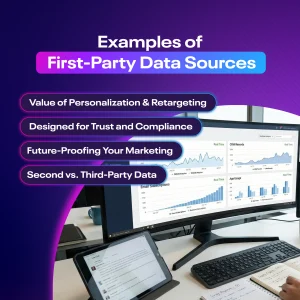
Common sources of first-party data include website analytics, email subscriptions, CRM records, app usage, live chat transcripts, survey responses, and loyalty program participation. Businesses can also track user behavior such as clicks, scroll depth, time on page, and cart abandonment. These insights help build a clearer picture of customer interests, intent, and readiness to buy.
How It Differs from Third-Party and Second-Party Data
Unlike third-party data, which is aggregated from external sources, and second-party data, which is someone else’s first-party data shared through a partnership, first-party data is collected and owned by your business. It is gathered directly from your customers and does not rely on intermediaries, making it more transparent, reliable, and aligned with privacy-first practices.
Why It’s Considered More Trustworthy and Compliant
Because customers willingly provide first-party data through opt-ins, purchases, and direct interactions, it is inherently consent-based. This gives businesses a stronger foundation for compliance with regulations like GDPR and other evolving data privacy laws. Using first-party data reduces risk while fostering transparency and trust between your brand and its audience.
Benefits for Personalization and Retargeting
First-party data enables deeper personalization across email campaigns, website experiences, and ad targeting. Whether you’re segmenting based on past purchases or customizing content based on browsing behavior, this data enables you to deliver messages that resonate. As a result, businesses see higher engagement, better conversion rates, and more efficient retargeting.
Role in Future-Proofing Your Marketing Strategy
As the marketing world moves away from cookies and opaque tracking methods, first-party data becomes the key to resilience. Building a strong customer data strategy now allows businesses to adapt to privacy changes, strengthen audience targeting, and support long-term growth. It also opens the door to using advanced tools, such as CDPs, for better segmentation and automation.
Why First-Party Data Is Essential in 2026
In 2026, marketers can no longer rely on third-party cookies and outdated tracking methods. First-party data offers a privacy-compliant, high-quality alternative that gives brands more control over how they reach and understand their audience. From regulatory pressures to shifting consumer expectations, this approach is now critical to creating sustainable, transparent digital marketing strategies.
End of Third-Party Cookies and Ad Tracking Limits
Major browsers have phased out third-party cookies, significantly limiting traditional ad targeting and remarketing. First-party data fills that gap by providing brands with direct insights into user behavior and preferences. With this data, businesses can still deliver personalized, high-performing campaigns without violating privacy or relying on unreliable external tracking methods.
Privacy Regulations and Compliance
Governments around the world have introduced stricter data privacy laws, including GDPR, CCPA, and others. These regulations require transparency, consent, and secure handling of user data. First-party data supports compliance because it’s collected with user permission, offering a clear audit trail and reducing legal risks for marketers using consent-based marketing tactics.
Consumer Demand for Transparency and Control
Customers today are more aware of how their data is used, and they expect brands to respect their privacy. First-party data marketing allows businesses to build trust by showing users exactly what data is collected and why. This transparency increases engagement and helps form stronger, longer-lasting customer relationships.
Improved Targeting Accuracy and Relevance
Because first-party data reflects real interactions with your brand, it’s highly accurate and specific. You can use this data to tailor messages, segment audiences, and time outreach more effectively. Whether you’re building email segmentation or launching paid campaigns, this level of targeting improves performance and customer satisfaction.
Long-Term Cost Efficiency and Data Ownership
Unlike rented third-party data, first-party data belongs to your business. This means you can use it repeatedly without ongoing licensing fees or reliance on third-party platforms. Over time, this approach reduces costs and improves ROI, especially when paired with data-driven personalization and scalable strategies like audience targeting and website behavior tracking.
How to Collect and Use First-Party Data Effectively
Maximizing the value of first-party data starts with building a strong collection strategy and knowing how to apply insights across your digital channels. In 2026, successful marketers are using a combination of technology, transparency, and cross-channel integration to turn customer interactions into smarter campaigns. The right tools and processes help ensure your data is both accurate and actionable.
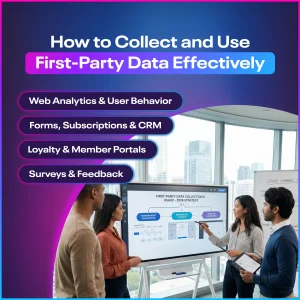 Website Analytics and On-Site Behavior Tracking
Your website is one of the most powerful sources of first-party data. Tracking how users navigate pages, click buttons, and complete forms helps you understand interest levels, friction points, and intent. Tools like Google Analytics 4 and heatmaps reveal behavioral trends you can use to improve user experience and tailor content that converts.
Email Subscriptions, Forms, and CRM Integration
Every form submission, whether for a newsletter, whitepaper, or contact request, offers direct insight into your audience. When integrated with a CRM, these interactions help build comprehensive customer profiles over time. This enables email segmentation, personalized outreach, and automated workflows that align with each user’s behavior and preferences.
Loyalty Programs and Member Portals
Loyalty programs and account-based portals are rich sources of first-party data. They capture purchase history, engagement frequency, and service usage, allowing for precise targeting and tailored rewards. This information not only improves customer retention but also supports personalized marketing without needing third-party cookies.
Surveys, Feedback, and Preference Centers
Asking customers directly about their needs, preferences, or experiences builds trust and provides clear data. Surveys and feedback forms offer valuable qualitative insight, while preference centers let users choose the type and frequency of communication they want. These tools foster consent-based marketing and create more relevant interactions.
Integrating Data Across Marketing Platforms
To use first-party data effectively, it must be unified across systems. Integrating your CRM, email platform, analytics tools, and advertising accounts ensures all teams work from the same insights. This creates consistency in targeting and messaging, powers personalization at scale, and enhances performance tracking across the entire funnel.
Using First-Party Data to Personalize Customer Journeys
With third-party data on the decline, personalization now depends on how effectively you use the data customers willingly share. First-party data enables tailored experiences across every touchpoint, helping you deliver relevant messages, guide behavior, and increase conversions. The key is balancing data-driven personalization with respect for user privacy and preferences.
Audience Segmentation and Behavioral Triggers
First-party data allows you to segment your audience based on actions they’ve taken, such as page visits, downloads, or time spent on specific services. You can then build automated workflows triggered by these behaviors, such as sending a follow-up email after a demo request or sending a cart abandonment reminder.
Dynamic Content for Email and Web Experiences
Using behavioral and demographic data, you can create personalized experiences on your website and in email campaigns. Dynamic content blocks adjust messaging, product recommendations, or visuals based on the user’s preferences or prior actions. This relevance improves engagement, reduces bounce rates, and keeps customers moving along the funnel.
Retargeting Campaigns Based on Site Behavior
Rather than relying on third-party cookies, retargeting in 2026 is powered by first-party data collected through pixel tracking, logins, or CRM connections. You can serve ads to users who viewed certain products, read specific blog posts, or interacted with key conversion points, ensuring your messaging is timely and aligned with intent.
Personalization Without Overstepping Boundaries
Trust is a vital part of a first-party data strategy. Personalization should feel helpful, not intrusive. Give users control over how their data is used, and avoid overly specific messaging that feels like surveillance. Transparency, preference centers, and value-driven communication help maintain credibility while still delivering relevant experiences.
Measuring Engagement and Conversion Impact
To understand whether your personalization efforts are working, track key metrics such as time on site, email open and click-through rates, and conversion performance across segments. A/B testing can show which personalized elements are most effective, allowing you to refine your strategy and continuously improve return on investment.
How an Orlando Marketing Agency Can Help
First-party data strategies are most effective when built with the right mix of strategy, technology, and execution. An experienced Orlando marketing agency can help you not only collect meaningful data but also use it to drive real business outcomes. From setting up the right systems to crafting privacy-conscious, high-impact campaigns, the right partner ensures your approach is both scalable and sustainable.
Creating a First-Party Data Roadmap
Before diving into tools or campaigns, a solid strategy begins with a clear roadmap. This includes identifying key data touchpoints across your site and marketing efforts, mapping data to buyer stages, and outlining how the information will be used. A local agency can align this roadmap with your business goals and industry needs.
Implementing the Right Tools and Tech Stack
From customer data platforms (CDPs) to CRM integrations and behavior tracking tools, your tech stack matters. An Orlando agency can recommend, implement, and integrate platforms that work together to collect, centralize, and activate first-party data across campaigns without creating friction for your team or customers.
Compliant, Customer-Centric Data Strategy
With increasing emphasis on privacy, your data collection and use must comply with standards such as GDPR and CCPA. A knowledgeable partner ensures your forms, cookie notices, and opt-in processes are clear and compliant. Just as important, they help you build trust by keeping the customer experience respectful and transparent.
Campaign Execution Based on Real Insights
Collecting data is only half the battle. The real value comes from activating it—using audience insights to guide ad targeting, content personalization, and retargeting. A digital marketing team can help execute campaigns that are directly informed by your data, improving relevance, performance, and ROI across every channel.
Long-Term Optimization and Growth Planning
First-party data isn’t just a short-term solution—it’s a long-term asset. A skilled agency will continuously analyze performance, test new approaches, and refine your strategy over time. This ensures your marketing evolves with your audience and continues to deliver growth well into the future.
Schedule a Consultation With an Orlando Digital Marketing Agency
Ready to unlock the full potential of your customer data? Schedule a consultation with an experienced Orlando digital marketing agency to build a stronger, privacy-first strategy for 2026 and beyond. Whether you’re just starting to explore first-party data or looking to optimize existing campaigns, the right partner can help you turn insights into real, measurable growth.





Talk to a sales agent today to jump start your project.
Call (407) 992-8877