
INSIGHTS
Launching an app is a major milestone, but it is only the beginning of the journey. Many businesses focus heavily on development costs and timelines, only to realize later that ongoing maintenance plays a significant role in long-term success. From performance updates to security patches and new feature development, maintaining an app requires consistent investment.
Understanding app maintenance costs is essential for planning ahead and avoiding unexpected expenses. In this article, we’ll break down what goes into post-launch app support, what factors influence costs, and how businesses can budget effectively to keep their app running smoothly over time.
Why App Maintenance Matters After Launch
Once an app is live, the real work begins. Maintenance ensures your app continues to perform well, meets user expectations, and remains compatible with evolving technology. Without ongoing updates and support, even the most well-built app can quickly become outdated or unreliable.
Launch Is Just the Beginning of the App Lifecycle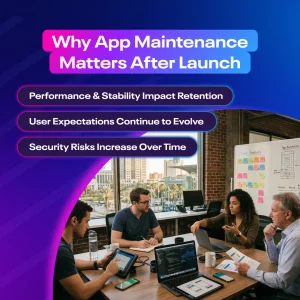
An app is not a one-time project. It is part of a continuous lifecycle that includes updates, improvements, and support. After launch, businesses must monitor performance, fix issues, and adapt to user feedback to keep the app relevant and functional.
User Expectations Continue to Evolve
Users expect apps to be fast, reliable, and regularly updated. They also expect new features and improvements over time. If an app fails to meet these expectations, users may stop using it and look for alternatives. Ongoing maintenance helps ensure a positive user experience.
Technology and Platforms Constantly Change
Mobile operating systems, devices, and third-party tools are constantly evolving. Updates to iOS, Android, or external integrations can impact how your app functions. Regular maintenance ensures your app remains compatible and continues to work as expected across all platforms.
Performance and Stability Impact Retention
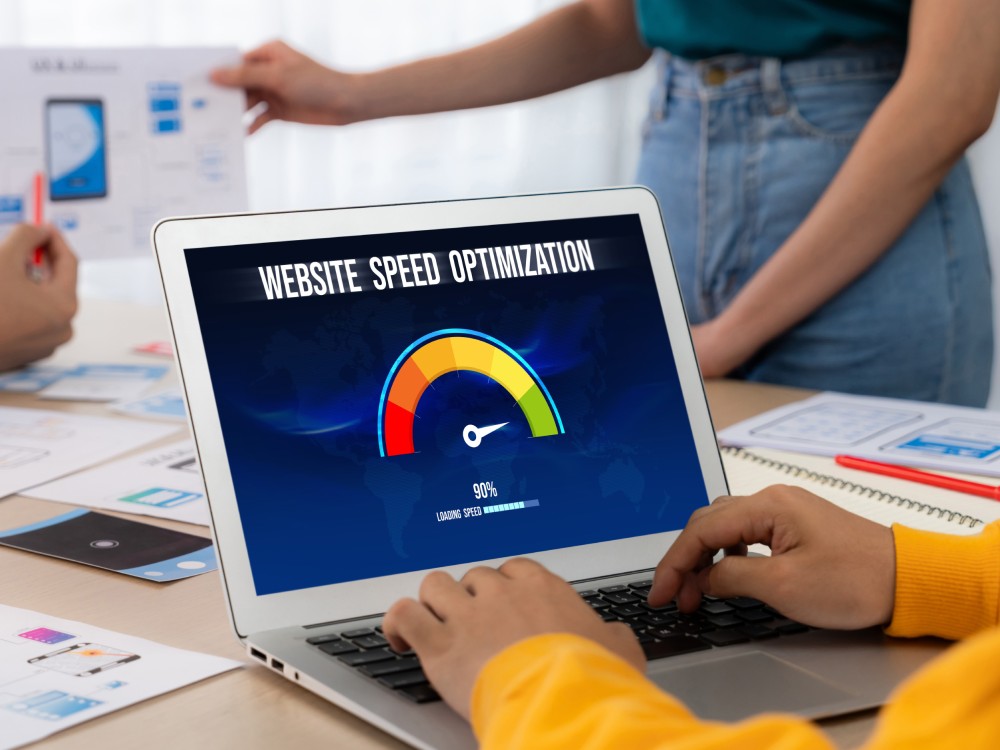
Even small performance issues can affect user satisfaction. Slow load times, crashes, or glitches can lead to frustration and increased churn. Regular performance monitoring and updates help maintain stability and improve user retention over time.
Security Risks Increase Over Time
As technology evolves, so do security threats. Apps must be regularly updated to address vulnerabilities and protect user data. Ongoing security updates are essential for maintaining trust and ensuring compliance with data protection standards.
What Factors Influence App Maintenance Costs
App maintenance costs can vary widely depending on the complexity of the app and how it is used. There is no one-size-fits-all number, which is why understanding the key cost drivers is important. From technical infrastructure to user growth, several factors determine how much businesses should expect to invest in ongoing app support.
App Complexity and Features
The more complex your app is, the more maintenance it will require. Apps with advanced features such as real-time data syncing, payment processing, or custom dashboards typically need more frequent updates and monitoring. Each feature adds another layer that must be maintained, tested, and improved over time.
Platform and Device Compatibility
Apps that run on multiple platforms, such as iOS, Android, and web, require additional maintenance to ensure consistent performance across devices. Each platform may introduce updates that affect how your app functions. Maintaining compatibility across different screen sizes, operating systems, and devices increases the overall maintenance effort.
Backend Infrastructure and Hosting
Most apps rely on backend systems such as servers, databases, and APIs. These systems require ongoing monitoring, updates, and optimization to ensure reliability and performance. Hosting costs can also fluctuate based on usage, making infrastructure a key part of your app maintenance budget.
Third-Party Integrations and APIs
Many apps depend on third-party services such as payment gateways, analytics tools, or messaging platforms. When these services update or change their APIs, your app may need adjustments to remain functional. Maintaining these integrations is an ongoing responsibility that can impact costs.
User Base Growth and Scaling Needs
As your app grows and attracts more users, the demands on your infrastructure increase. Higher traffic can lead to increased hosting costs, performance optimization needs, and additional support requirements. Scaling your app to handle growth is a critical part of long-term maintenance planning.
Common App Maintenance Cost Categories
Understanding where your budget goes can help you plan more effectively. App maintenance typically includes several core categories that cover both technical upkeep and ongoing improvements. Breaking these down makes it easier to estimate and manage costs over time.
Bug Fixes and Performance Improvements
No app is perfect at launch. Bugs and performance issues often appear as users interact with the app in real-world scenarios. Regular updates are needed to fix these issues, improve speed, and ensure a smooth user experience.
Updates for OS and Device Compatibility
Operating systems like iOS and Android release updates regularly. These updates can affect how your app functions, requiring adjustments to maintain compatibility. Keeping your app updated ensures it continues to work properly on new devices and software versions.
Security Updates and Compliance
Security is an ongoing concern for any app. Regular updates are needed to address vulnerabilities, protect user data, and comply with evolving regulations. Failing to maintain security can lead to serious risks, including data breaches and loss of user trust.
Hosting, Servers, and Infrastructure Costs
Hosting your app requires ongoing investment in servers, cloud services, and databases. These costs can vary based on usage, traffic, and performance requirements. As your app grows, infrastructure costs may increase to support higher demand.
Ongoing Feature Enhancements and Improvements
User expectations do not stay the same. Businesses often need to add new features or improve existing ones to stay competitive. These enhancements require ongoing development work and should be factored into your long-term budget.
Monitoring, Analytics, and Support Services
Maintaining an app also involves tracking performance and supporting users. Monitoring tools help identify issues early, while customer support ensures users have a positive experience. These services are essential for maintaining engagement and improving your app over time.
How Much Does App Maintenance Typically Cost?
App maintenance costs can vary depending on the size, complexity, and usage of your app, but there are general benchmarks businesses can use to plan. Understanding these ranges helps set realistic expectations and avoid underestimating the long-term investment required to keep an app running effectively.
Industry Benchmarks and Percentage of Initial Build Cost
A common guideline is that annual app maintenance costs range from 15% to 25% of the original development cost. For example, if an app costs $100,000 to build, maintenance may range from $15,000 to $25,000 per year. This includes updates, bug fixes, performance improvements, and ongoing support.
Monthly vs. Annual Maintenance Costs
Some businesses prefer monthly budgets, while others plan annually. Monthly maintenance costs can range from a few hundred dollars for simple apps to several thousand for more complex platforms. Annual planning provides a broader view, while monthly budgeting helps manage cash flow and ongoing operational expenses.
Cost Differences for Small vs. Complex Apps
Smaller apps with limited features and low user traffic typically require less maintenance, making them more affordable to support. In contrast, complex apps with advanced functionality, integrations, and large user bases require more frequent updates, monitoring, and infrastructure scaling, which significantly increases overall maintenance costs.
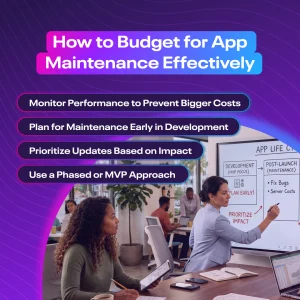
How to Budget for App Maintenance Effectively
Planning for app maintenance early can help businesses avoid unexpected costs and ensure long-term success. A well-structured budget accounts for both predictable expenses and potential changes over time. By taking a proactive approach, businesses can maintain performance, support growth, and avoid reactive decision-making that leads to higher costs.
 Plan for Maintenance Early in Development
Maintenance should be considered from the very beginning of the Orlando custom app development process. Including it in your initial budget helps set realistic expectations and ensures your app has the support it needs after launch. Waiting until issues arise can lead to rushed decisions and higher expenses.
Use a Phased or MVP Approach
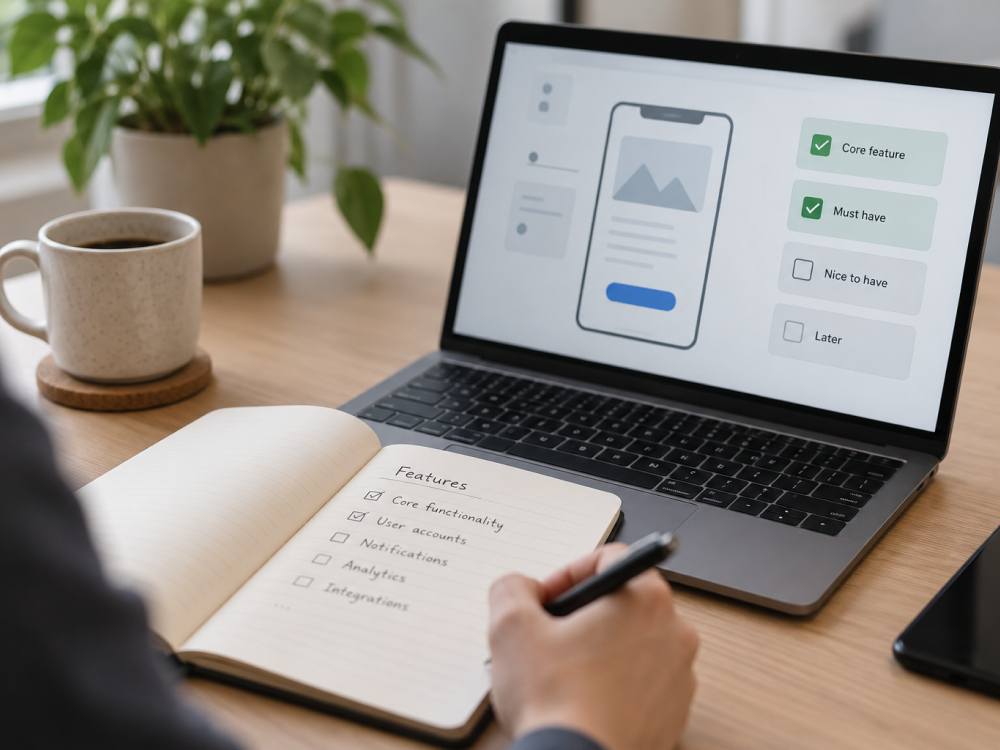
Launching with a minimum viable product allows businesses to test core functionality before investing in additional features. This approach helps reduce upfront costs and provides valuable user feedback that can guide future updates. It also allows maintenance efforts to focus on what matters most.
Work With a Transparent Development Partner
Choosing the right development partner can make a significant difference in managing maintenance costs. A transparent team will outline expected expenses, provide clear timelines, and help prioritize updates. This level of visibility helps businesses plan more effectively and avoid unexpected surprises.
Prioritize Updates Based on Impact
Not every update needs to happen immediately. Businesses should focus on changes that improve performance, fix critical issues, or enhance the user experience. Prioritizing updates ensures resources are used efficiently and helps maintain steady progress without unnecessary spending.
Monitor Performance to Prevent Bigger Costs
Regular monitoring allows businesses to identify and address issues early. Fixing small problems before they escalate can prevent more expensive repairs later. Ongoing performance tracking also helps optimize the app and improve user satisfaction over time.
Schedule a Consultation With an App Development Agency in Orlando, FL
App maintenance is an essential part of your app’s long-term success, not just an afterthought. Understanding the true cost of maintenance allows you to plan effectively, avoid surprises, and ensure your app continues to perform at a high level.
Working with an experienced Orlando custom app development company can help you build a clear maintenance strategy, manage ongoing costs, and keep your app aligned with your business goals. Schedule a consultation today to learn how a proactive approach to app maintenance can support your growth well beyond launch.





Talk to a sales agent today to jump start your project.
Call (407) 992-8877